nordicgadgetzubll.courses

Tackling Melasma Safely

The postpartum crash in estrogen and progesterone rewires your complexion. Here is how to navigate the storm with grace.

The Postpartum Drop

During pregnancy, your body produces massive amounts of estrogen, which often results in the famous "pregnancy glow." Immediately following birth, these levels plummet. This sudden withdrawal can trigger acute dryness, a sudden loss of elasticity, and a compromised skin barrier.

The Melasma Mask

Also known as chloasma, the "mask of pregnancy" frequently persists well into the postpartum period. Triggered by a combination of hormones and UV exposure, melasma creates dark patches primarily on the cheeks, forehead, and upper lip. Treating it while breastfeeding requires pivoting away from traditional hydroquinone.

Regaining Control

Treating postpartum hormonal skin is not about harsh corrections. It is about gentle coaxing. Focus on anti-inflammatory botanicals and safe brightening agents like Vitamin C and Azelaic Acid.

  • Strict Sun Protection: UV rays exacerbate melasma drastically. A physical, mineral sunscreen (zinc oxide) is non-negotiable every morning.
  • Patience is Paramount: Hormones can take up to six months (or until you stop breastfeeding) to stabilize. Do not rush the process with aggressive chemical peels.
  • Barrier Support: A weakened barrier makes pigmentation worse. Nourish first, treat second.
View Safe Actives
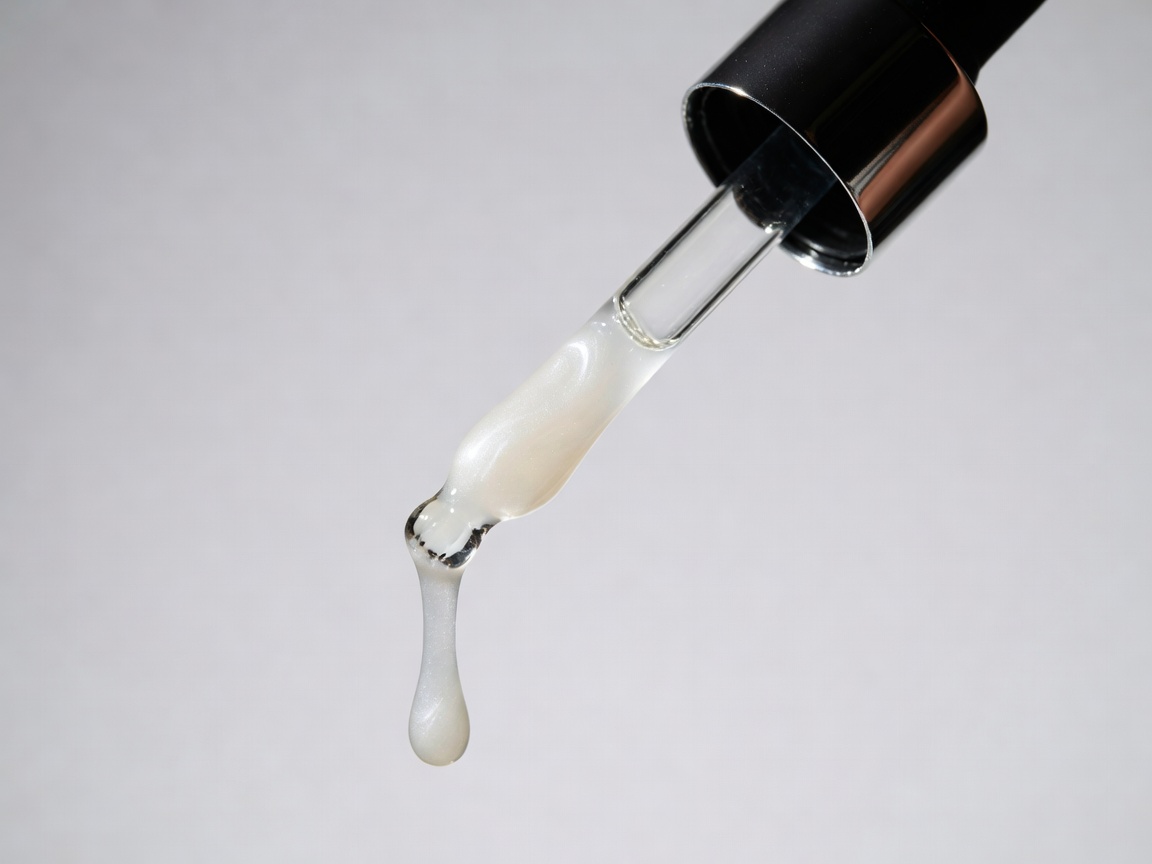
A dropper dispensing a thick serum in sharp studio lighting